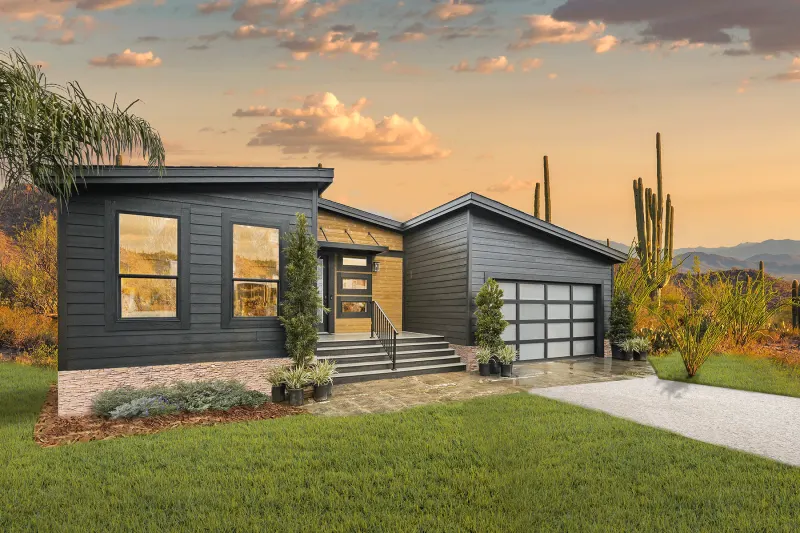

Manufactured Home ADUs in California: A Central Valley Guide
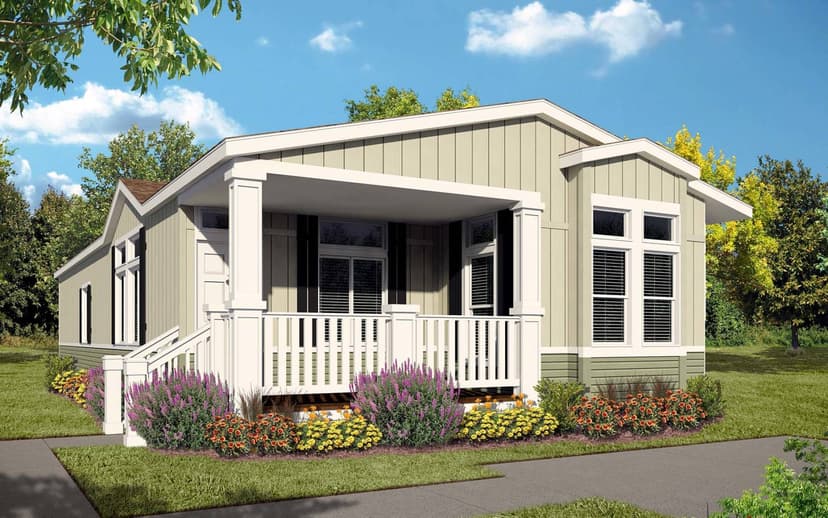
If you have extra room on your lot in Fresno, Madera, Tulare, or Kings County, you may be able to add a second home on the property for a parent, an adult child, or a renter. California calls this an accessory dwelling unit, or ADU. What many homeowners do not realize is that a factory-built manufactured or modular home can qualify as that ADU. This guide explains how California ADU law treats manufactured homes, what your local planning and building department still controls, and what the realistic process looks like in the Central Valley.
What an ADU is, and how a manufactured home fits
An ADU is a smaller, independent home on the same lot as a primary residence. It has its own kitchen, bathroom, and sleeping area, plus a separate entrance. A detached ADU is a standalone structure, often placed in the backyard or on an open part of a rural parcel, as opposed to a unit attached to or carved out of the main house. California's ADU guidance, published by the Department of Housing and Community Development (HCD), recognizes that ADUs can take several forms, and that a manufactured home can be one of them when it meets ADU requirements.
In practical terms, that means the home is built in a factory, transported to your property, and installed as a permanent dwelling. A modular home is built to the same state building code as a site-built house and typically carries factory-level approval, while a manufactured home is built to the federal HUD code. Both can work as ADUs, but the foundation, utility, and installation details that satisfy your local department can differ, so confirm the specifics before you choose a product.
What state law generally protects
Over the past several years, California has expanded and streamlined ADU approvals, especially on lots with an existing single-family or multifamily home. The rules change often and new bills are signed most years, so treat the figures below as general guidance and verify the current standard with your jurisdiction. As a rule of thumb, state law typically aims to let homeowners build at least one modest detached ADU on a qualifying lot.
Many jurisdictions allow larger ADUs than the protected minimum, often up to 850 square feet for a studio or one-bedroom and 1,000 square feet or more for additional bedrooms. State law also generally limits front setback requirements and, for qualifying ADUs, restricts owner-occupancy mandates. For complete and current ADU applications on a lot with an existing home, a local agency typically must approve or deny within 60 days, which makes the process more predictable than a discretionary review. None of this removes the need to meet local objective standards.
Local objective standards you still have to meet
Even with state protections, a manufactured home used as an ADU has to satisfy your local rules. These are the items your planning and building department will check, and they vary between the cities of Fresno, Clovis, Madera, Visalia, Hanford, and the unincorporated county areas.
- Setbacks: how far the ADU must sit from rear and side property lines, commonly around four feet.
- Size and height: maximum square footage and height for your zone, which can exceed the state minimums.
- Foundation and installation: many jurisdictions require a permanent foundation and permanent utility connections.
- Utilities: water, sewer or septic, electrical, and sometimes gas service to the unit.
- Access: a driveway or path for delivery, installation, and emergency access.
- Fire and building requirements: fire-rated separations, smoke and carbon monoxide alarms, and energy code compliance.
- Zoning: whether your parcel's zoning district permits an ADU at all, and any rural or agricultural overlays.
Utilities and delivery access in the Central Valley
Two practical issues decide a lot of Central Valley ADU projects: how the home gets connected, and how it gets to the spot. On in-town lots in Fresno, Clovis, or Visalia, you usually tie into existing municipal water and sewer, and the main question is trenching from the main house or street to the ADU location. On rural parcels in Madera, Tulare, or Kings County, you may be on a well and septic system, which means the county will look at septic capacity and water supply before approving a second dwelling.
Delivery access matters because a manufactured or modular home arrives in large sections on a truck and is set with a crane. Narrow gates, mature trees, overhead lines, irrigation ditches, and soft ground can all complicate placement on Valley lots. A good dealer or installer will walk the site early to confirm the home can physically reach its pad.
Common reasons Central Valley families build one
- Housing for aging parents who want to stay close but keep their independence.
- Multigenerational living, with adult children or extended family on the same property.
- Rental income from a long-term tenant to help offset the mortgage.
- A flexible space that can shift from guest house to family housing to rental over time.
- Added property value and a second usable home on land you already own.
Why factory-built ADUs can be faster
A site-built backyard ADU is essentially a small custom house built outdoors, subject to weather, scheduling, and on-site labor. A factory-built ADU is constructed indoors on a production line while site work happens in parallel, then delivered and set in a matter of days. Modular ADUs in particular often carry state-level structural and building code approval completed at the factory, which means the local agency reviews the site and local standards rather than re-reviewing the building itself. That can shorten the timeline, though your overall schedule still depends on permitting, utilities, and site preparation.
The realistic process, step by step
- Confirm jurisdiction and zoning: find out whether your parcel is governed by a city or by the county, and whether an ADU is allowed there.
- Check local objective standards: gather the setback, size, height, utility, and access rules for your zone.
- Walk the site: verify delivery access, foundation feasibility, and utility or septic capacity.
- Choose the home: select a manufactured or modular unit that fits the allowed footprint and your needs.
- Submit for permits: file the building permit application and any required plans with the local department.
- Prepare the site: complete foundation, trenching, and utility connections while the home is in production.
- Deliver and set: transport and install the home, then connect utilities.
- Final inspection: pass the local inspections so the unit can be legally occupied.
Is your lot ADU-ready?
0 of 8The single most important step is to talk to your local planning and building department early. They have the final say on what you can build on your specific parcel, and a short conversation up front can save months later.
A manufactured or modular home can be a practical, often faster way to add an ADU on a Central Valley property, whether you are housing family or creating rental income. The key is matching the right home to your lot's zoning, setbacks, utilities, and access, and confirming every detail with the local department that has final authority. If you want help thinking through whether your Fresno, Madera, Tulare, or Kings County parcel could work, our team is happy to walk through it with you.
Written and reviewed by the Mission Made Homes team in Fresno. Questions about this topic? Stop by the showroom or send us a note; a real person will get back to you.
Keep reading
 Buyer Education
Manufactured Homes in Fresno, CA: What Local Buyers Should Know Before They Shop
 Buyer Education
Manufactured Home vs. Tiny House: Which Fits You in Fresno?
 Buyer Education