
Mobile Home Roofing Options: Metal, Rubber & Shingle Systems Compared
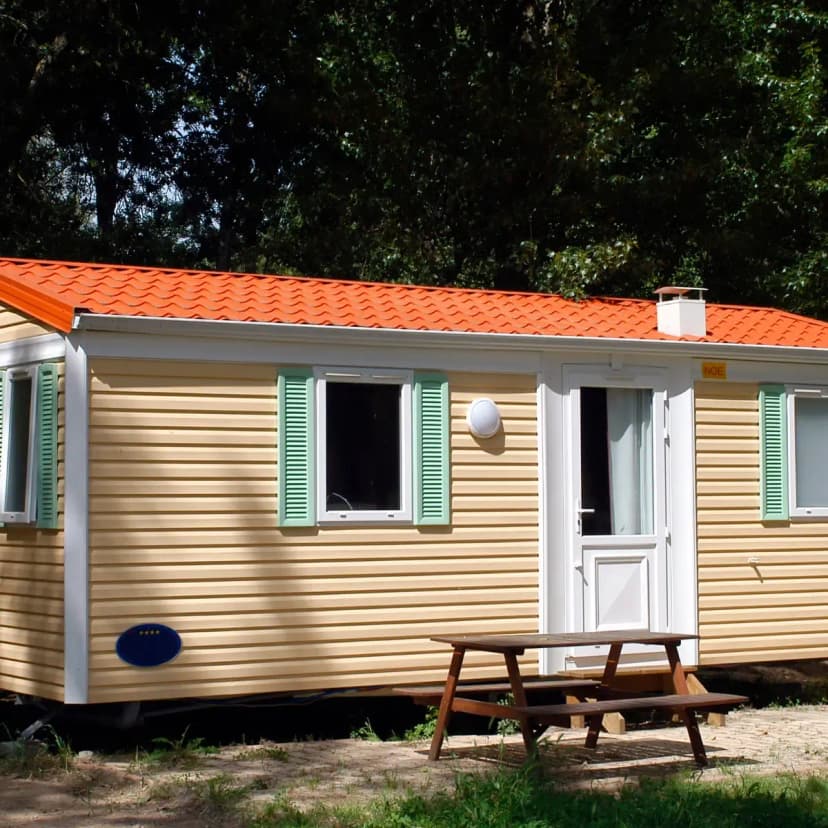
A mobile home's roof carries more weight than most homeowners realize, not literally, but in terms of comfort, energy bills, and how long the rest of the home holds up. Because mobile and manufactured homes are built lighter than site-built houses, the roofing system has to be matched carefully to what the structure can actually support.
This guide breaks down the main types of mobile home roofs, what's involved in re-roofing or replacing one, and how to think through a metal roof install, one of the most common upgrades mobile homeowners ask about.
What Are the Types of Mobile Home Roofs?
Most mobile homes use one of four roofing systems: metal panels, asphalt shingles, flat or low-slope roofing, or rubber membrane systems (EPDM/TPO). Some older homes also use spray foam roofing as a retrofit solution. Each option differs in weight, lifespan, cost, and how well it performs in extreme heat, wind, or rain, which is why structural weight limits and local climate matter as much as style when choosing between them.
Metal Roofs for Mobile Homes
A metal roof for a mobile home is one of the most common upgrades because it checks three boxes at once: it's lightweight, long-lasting, and energy-efficient. A properly installed metal roof can last 40 to 70 years, often longer than the home itself.
Why homeowners choose metal:
- Roof-over compatible. New metal panels can usually be installed directly over an existing roof, skipping a full tear-off and cutting both labor and mess.
- Lightweight. This makes it a strong option for older or single-wide homes with limited structural capacity to support additional weight.
- Energy performance. Reflective coatings deflect heat, which can meaningfully lower cooling costs during long, hot summers.
- Snow and wind resistance. A smooth surface sheds snow before it accumulates, and metal panels hold up well in high-wind regions when properly anchored.
Cost to expect: Installed metal roofing generally runs $3 to $8 per square foot, higher upfront than shingles, but the extended lifespan often evens out the cost over time.
Common metal roofing styles:
- Corrugated panels, the most budget-friendly, straightforward option
- Standing seam systems, a cleaner, modern look with hidden fasteners for stronger leak resistance
- Coated steel or aluminum panels, available in multiple finishes for homeowners who want durability without sacrificing curb appeal
Trade-offs: Metal costs more upfront than shingles, and without added insulation, rain or hail can sound louder from inside. In hail-prone areas, thinner panels may dent, though this rarely affects the roof's ability to protect the home.
How to Put a Metal Roof on a Mobile Home
Putting a new metal roof on a mobile home typically follows this sequence:
- Structural assessment. A contractor confirms the home's frame can support the new roofing load, especially important on older or single-wide homes.
- Roof-over vs. tear-off decision. Most metal systems can install directly over an existing roof if it's structurally sound, which shortens the project timeline.
- Furring strips or battens. These create an air gap between the old roof and new metal panels, improving insulation and reducing condensation.
- Insulation layer (recommended). Foam board or a radiant barrier beneath the panels cuts down on rain and hail noise and boosts energy savings.
- Panel installation. Panels are secured working from one edge across the roof, with seams and fasteners sealed to prevent leaks.
- Trim, flashing, and edge sealing. This step protects the most leak-prone areas, edges, vents, and seams, and finishes the install.
This is a project best handled by a licensed roofing contractor experienced with mobile home structures, since weight limits and fastening methods differ from site-built roofing.
Asphalt Shingle Roofs
Asphalt shingles remain popular because they give a mobile home a traditional, site-built look, an easy fit for homes in established residential neighborhoods. They're also one of the most affordable roofing options, and damaged sections can be replaced individually rather than redoing the whole roof.
Trade-offs: Shingles typically last 15 to 30 years, shorter than metal or rubber systems, and they carry more weight, something to check against your home's structural limits, particularly on older or single-wide models. Hot climates can cause cracking or warping over time, and damp regions may see algae or moss buildup.
Flat and Low-Slope Roofs
Many mobile homes built before the 1980s came with flat or low-slope roofs, which were inexpensive to manufacture but prone to water pooling and leaks without a proper slope for drainage.
Two common upgrades address this:
- A secondary pitched roof installed over the existing flat roof, improving drainage
- A rubber membrane overlay (EPDM or TPO), creating a watertight seal across the full surface
Flat roofs are easier to access for inspections and repairs, but they need more frequent attention than pitched or metal systems, especially after heavy rain.
Mobile Home Rubber Roof Systems (EPDM/TPO)
A mobile home rubber roof is one of the most reliable solutions for flat or low-slope structures. EPDM (a synthetic rubber membrane) and TPO (a reflective, light-colored membrane) are both installed as large sheets sealed at the seams to create a continuous, waterproof surface.
- EPDM is valued for durability and resistance to cracking across temperature swings.
- TPO reflects sunlight, which helps lower cooling costs in hot climates.
Both systems are lightweight and flexible, making them a safe option for older or structurally limited homes, and they typically last 20 to 30 years with minimal upkeep. The main trade-off: rubber roofing isn't a DIY project. Seam sealing has to be precise, so professional installation is essential to avoid leak points.
Foam Roofing (Spray Polyurethane Foam)
Spray foam roofing is a less common but increasingly popular option, especially for older mobile homes. Contractors spray liquid polyurethane foam directly onto the roof, where it expands into a seamless layer that conforms to edges and corners, then gets a UV-resistant topcoat.
Because it insulates as it protects, homeowners often see lower heating and cooling costs after installation. Foam is lightweight, which suits delicate or older structures, and it can be recoated every few years to extend its life well past two decades rather than requiring full replacement.
Trade-offs: Foam performs best in moderate to warm climates, heavy snow regions risk punctures if snow or ice isn't cleared, and it requires professional installation along with annual inspection and periodic recoating.
Re-Roofing vs. Full Mobile Home Roof Replacement
Not every aging roof needs a full teardown. Re-roofing, installing a new layer, membrane, or roof-over system on top of the existing structure, is often enough if the underlying frame is sound and the current roof isn't compromised structurally. A full mobile home roof replacement becomes necessary when there's structural damage, widespread rot, repeated leaks despite repairs, or when the existing roof simply can't support a heavier new system.
Signs it may be time to replace rather than repair:
- Recurring leaks in multiple spots, not just one
- Visible sagging in the roofline
- Soft spots or water staining on interior ceilings
- A roof already past its material's expected lifespan (15–30 years for shingles, 20–30 for rubber membrane, 40+ for metal)
A contractor can usually confirm which route makes sense with a straightforward structural inspection.
Choosing the Right System for Your Climate and Structure
A few questions can narrow the decision quickly:
- What weight can my home's structure safely handle? Older and single-wide homes often do best with lightweight options like metal or foam.
- How does my local climate affect performance? Hot regions benefit from reflective metal or TPO membranes; snow-heavy areas do better with pitched metal that sheds accumulation; high-wind areas need securely anchored systems.
- Am I prioritizing cost, longevity, or style, in what order?
- Do I plan to stay long-term, or is resale value the bigger factor?
Working through these before calling a contractor makes it much easier to land on the right mobile home roofing system the first time.
Frequently Asked Questions
What is the best roofing system for a mobile home?
Metal roofing is generally considered the strongest all-around choice for mobile homes, it's lightweight enough for most structures, lasts 40+ years, and performs well across hot, cold, and windy climates. Rubber membrane systems are the top choice specifically for flat or low-slope roofs.
How do you put a metal roof on a mobile home?
Most installs follow a roof-over process: confirming the structure can support the added weight, installing furring strips to create an air gap, adding insulation, then securing metal panels with sealed seams and finished trim. It's typically not a DIY project due to the structural and fastening considerations involved.
How long does a mobile home roof last before it needs replacing?
It depends on the material, asphalt shingles typically last 15 to 30 years, rubber membrane systems 20 to 30 years, and metal roofing 40 to 70 years. Recurring leaks, sagging, or interior water staining are signs it's time to consider replacement rather than repair.
Can you put a rubber roof on a mobile home?
Yes, EPDM and TPO rubber membrane systems are a common and effective choice for mobile homes with flat or low-slope roofs, offering strong waterproofing and, in TPO's case, reflective properties that help reduce cooling costs.
Thinking About a New Manufactured Home Instead of a Re-Roof?
If your current mobile home's roofing issues are part of a bigger picture, it may be worth comparing repair costs against a newer manufactured home built for the Central Valley's climate from the ground up. Mission Made Homes works with families across California to find the right home for their lot, budget, and household. Schedule a tour or send us an email at sales@missionmadehomes.com for current floorplan availability.
Written and reviewed by the Mission Made Homes team in Fresno. Questions about this topic? Stop by the showroom or send us a note; a real person will get back to you.