
Mobile Home Park Rules and Regulations: What to Expect
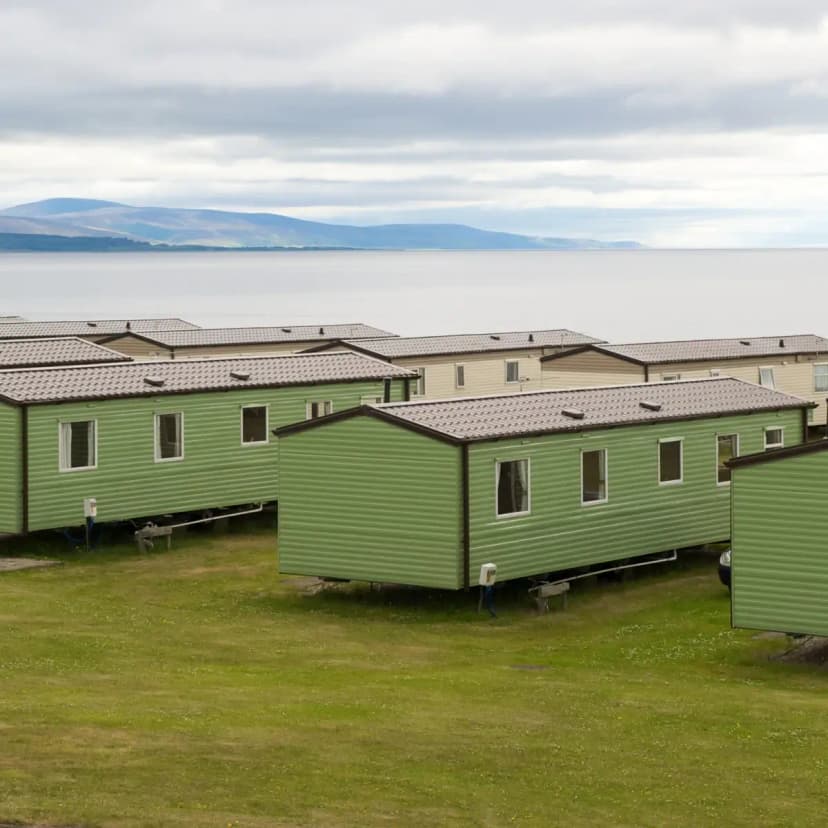
Living in a manufactured home community means sharing close quarters with neighbors, and that only works smoothly when everyone follows the same set of guidelines. If you're weighing park living or you've just signed a lease, understanding mobile home park rules and regulations upfront saves you from surprises later, and helps you pick a community that actually fits how you live.
What Do Mobile Home Park Rules and Regulations Typically Cover?
Most mobile home park rules and regulations fall into a handful of categories: lease and rent terms, utility billing, home and lot upkeep, noise limits, pet policies, parking, shared amenities, and safety protocols. Every park sets its own specifics, but these categories show up in nearly every community lease, and they're worth reviewing closely before you sign.
Lease Terms, Rent, and Renewals
Your lease spells out the financial side of park living, and it's the first document worth reading closely:
- Rent and due dates. Rent is usually due at the start of the month, with late fees kicking in after a grace period.
- Security deposits. Most parks require one at move-in, refundable depending on the home and lot's condition when you leave.
- Rent increases. California parks can typically raise rent once a year with advance written notice, the exact notice period is set by state law and often reinforced in the lease itself.
- Renewal terms. Some leases auto-renew; others require you to actively renew before the term ends. Know which type you're signing.
Utilities and Additional Fees
Some communities bundle water, sewer, and trash into your monthly rent. Others bill them separately, and amenities like a clubhouse, pool, or extra parking spot may carry their own fee. Ask for an itemized breakdown before you commit so your actual monthly cost matches what you budgeted.
Home and Lot Maintenance Expectations
Parks generally hold residents to a consistent standard of upkeep, both to protect the community's appearance and to protect everyone's property value:
- Lawn and landscaping. Mowing, trimming, and general tidiness are usually a lease requirement, not just a suggestion.
- Trash and recycling. Most parks assign designated bins and expect prompt disposal.
- Home condition. Broken windows, damaged siding, and visible disrepair typically need to be addressed within a set timeframe after notice.
If your own home's exterior is starting to show its age, our guide on caring for your manufactured home roof and exterior walks through what routine upkeep actually looks like.
Noise and Nuisance Policies
Because homes sit close together, most communities enforce quiet hours, commonly from around 10 PM to early morning, along with limits on vehicle noise and expectations that pet owners keep animals from disturbing neighbors.
Pet Policies
Many mobile home parks are pet-friendly, but nearly all set boundaries:
- Size and breed restrictions on certain animals
- Leash requirements in common areas
- Cleanup expectations for pet owners
If pets are a dealbreaker for your household, confirm a park's specific pet policy before you tour, since restrictions vary significantly from one community to the next.
Parking and Vehicle Rules
Space is limited in most parks, so expect rules around:
- Designated parking, usually one or two spots per household, with separate guest parking
- Vehicle limits, capping how many vehicles a household can keep on-site
- Non-functional vehicles, which most parks don't allow to sit on the lot long-term
Shared Amenities and Common Areas
If your park has a pool, clubhouse, or other shared space, expect posted hours, guest limits, and cleanup expectations after use. Many communities also restrict alcohol and smoking in these areas to keep them family-friendly.
Safety and Emergency Protocols
Because manufactured homes sit close together, safety rules tend to be more detailed than in a typical single-family neighborhood:
- Fire safety. Working smoke detectors and fire extinguishers are commonly required, and open flames, including fire pits and charcoal grills, may be restricted to designated areas or prohibited outright.
- Evacuation routes. Parks often map out routes and meeting points for fires, gas leaks, or severe weather, and some run periodic drills.
- Severe weather plans. In storm-prone areas, parks may designate shelters or coordinate with local authorities on evacuation alerts. Keeping a basic emergency kit, water, medications, non-perishable food, a flashlight, is worth doing regardless of location.
- Emergency communication. Text alerts, sirens, or posted community meetings are common ways parks keep residents informed during an emergency.
Where Can I Park a Mobile Home?
Beyond a park's internal rules, where you're allowed to place a mobile or manufactured home at all comes down to local zoning, not the park's lease. Options generally include a licensed manufactured home community, a private parcel zoned to allow one, or, in some cases, land you already own if it meets your county's siting requirements. If you're weighing a private parcel instead of a community lot, our guide on buying land for a manufactured home in Fresno covers the zoning questions worth asking first.
Know Your Rights as a Resident
Mobile home park living comes with protections as well as rules. California's Mobilehome Residency Law (MRL) sets specific requirements around rent increase notice, eviction procedures, and how parks must handle lease terms, and it applies regardless of what an individual park's rules say. Familiarizing yourself with the MRL before you sign, or before a dispute comes up, puts you in a much stronger position as a resident.
Frequently Asked Questions
What are typical mobile home park rules and regulations?
Most parks cover lease and rent terms, utility billing, home and lot maintenance, noise limits, pet policies, parking, shared amenity use, and fire and emergency safety protocols. Specifics vary by community, so always review the actual lease.
Can a mobile home park raise my rent whenever they want?
No. In California, parks are generally limited to one rent increase per year with advance written notice, and the Mobilehome Residency Law sets additional protections around how and when increases can happen.
Do all mobile home parks allow pets?
Many do, but nearly all set restrictions on size, breed, or number of pets, plus leash and cleanup rules. Always confirm a park's specific pet policy before signing a lease if you have animals.
Where can I legally park a mobile home if I don't want to live in a park?
It depends on local zoning. Some counties allow manufactured homes on qualifying private parcels, including certain agricultural-zoned land. Check with your county or a local retailer before assuming a piece of land will work.
Thinking About Ownership Instead of Renting a Lot?
Mission Made Homes works with families across California to find the right manufactured or modular home for their lot, budget, and household, whether that's a community lot or land you already own. Schedule a tour or send us an email at sales@missionmadehomes.com for a Central Valley–specific cost estimate and current floorplan availability.
Written and reviewed by the Mission Made Homes team in Fresno. Questions about this topic? Stop by the showroom or send us a note; a real person will get back to you.