
Re-leveling a manufactured home: signs you need it and how often
Most manufactured homes need re-leveling every three to five years, though soil, drainage, and ground movement can shorten that window. Re-leveling means resetting the piers and shims under your home so the floor system sits true again, which protects doors, windows, drywall, and your plumbing from slow, expensive damage.
A manufactured home rests on piers placed along its steel I-beams, not on a continuous slab. Over time the soil beneath those piers settles unevenly, especially in the Central Valley where clay soils swell when wet and shrink in our long dry summers. Even a small amount of movement at one pier can tilt a whole section of floor.
Signs your home needs re-leveling
- Doors and windows that suddenly stick, swing open on their own, or will not latch.
- New cracks in drywall or at the marriage line where two sections meet, often above doorways.
- Floors that feel sloped, bouncy, or that have developed a new squeak.
- A visible gap change between the bottom of the home and the skirting, or skirting panels that pop loose.
- Gaps opening at exterior trim, or a roofline that no longer looks straight.
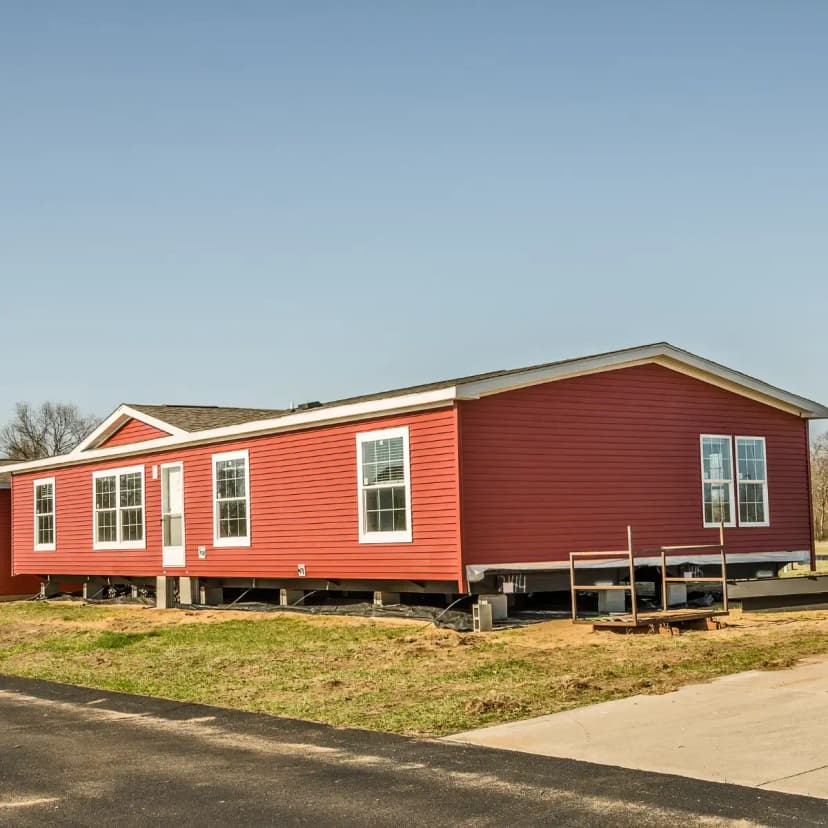
Re-leveling is not usually a DIY job. A qualified installer crawls under the home, checks each pier with a level and water gauge, and raises low points with hydraulic jacks before adding or resetting shims and confirming the anchors and tie-downs are still snug. The home is typically brought back to level within a small tolerance across its length and width.
If you have noticed two or more of the signs above, walk the perimeter and look at the skirting gap, then call a licensed manufactured-home installer for a level check. It is one of the most cost-effective things you can do to keep a Valley home solid for decades.
Written and reviewed by the Mission Made Homes team in Fresno. Questions about this topic? Stop by the showroom or send us a note; a real person will get back to you.